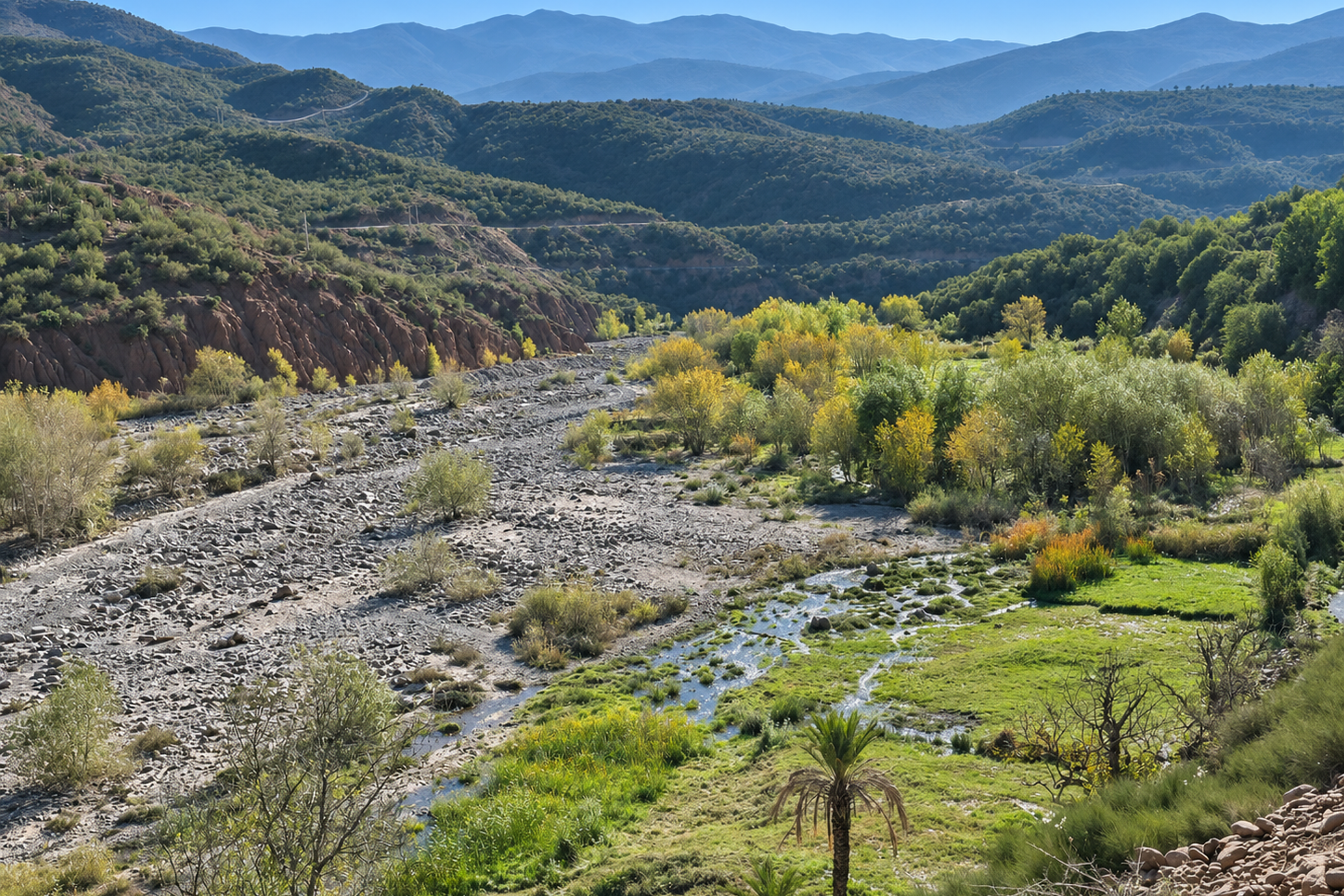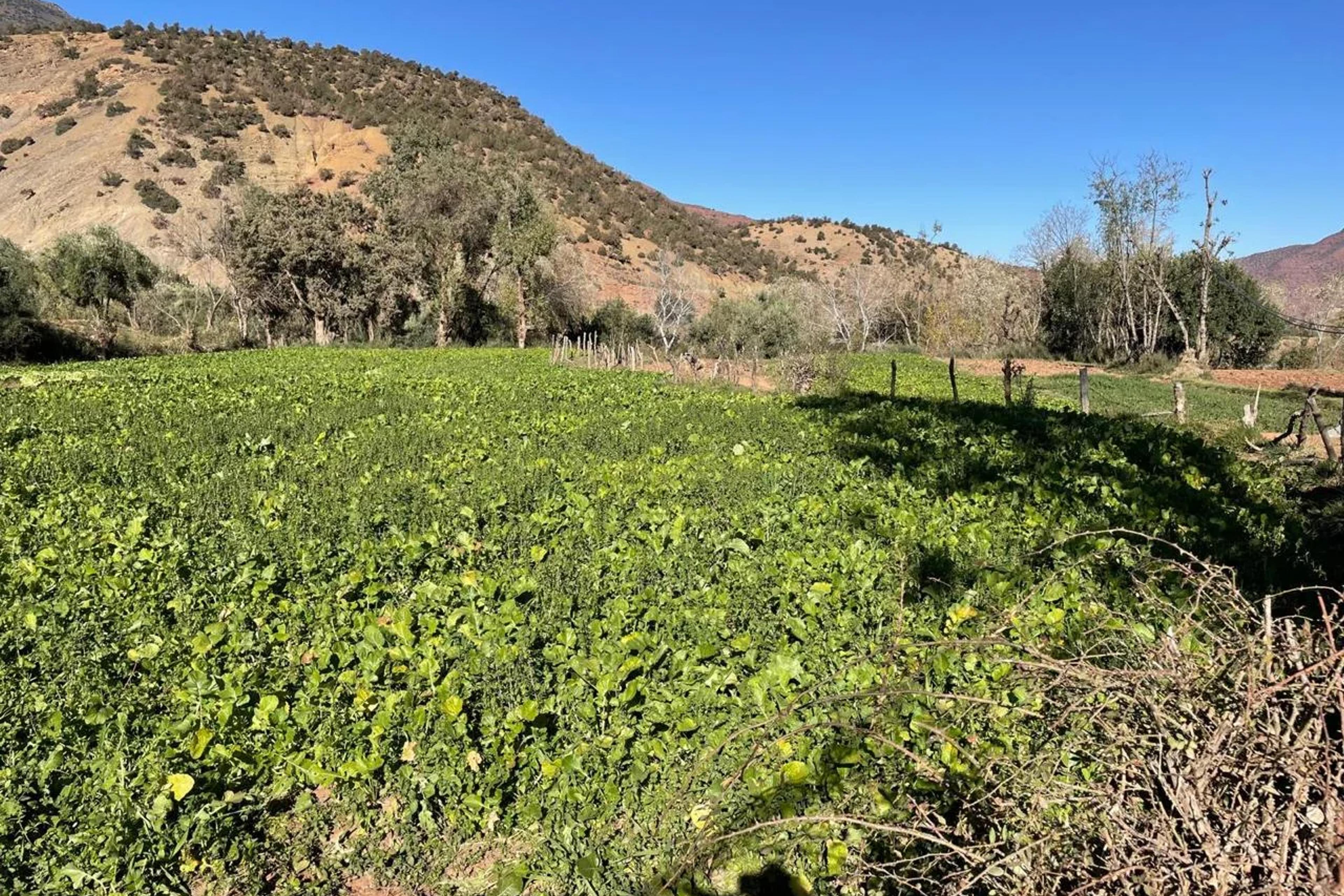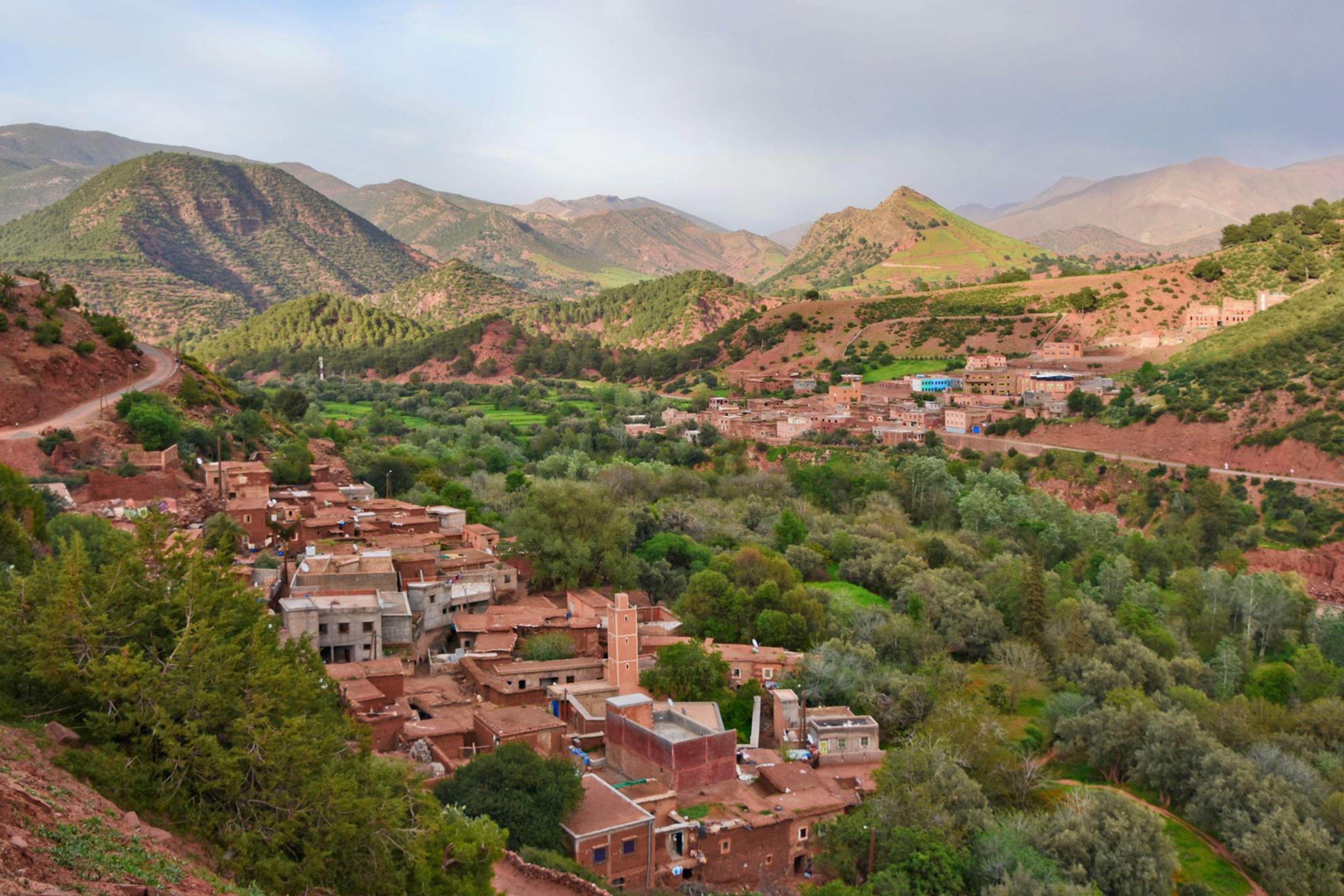

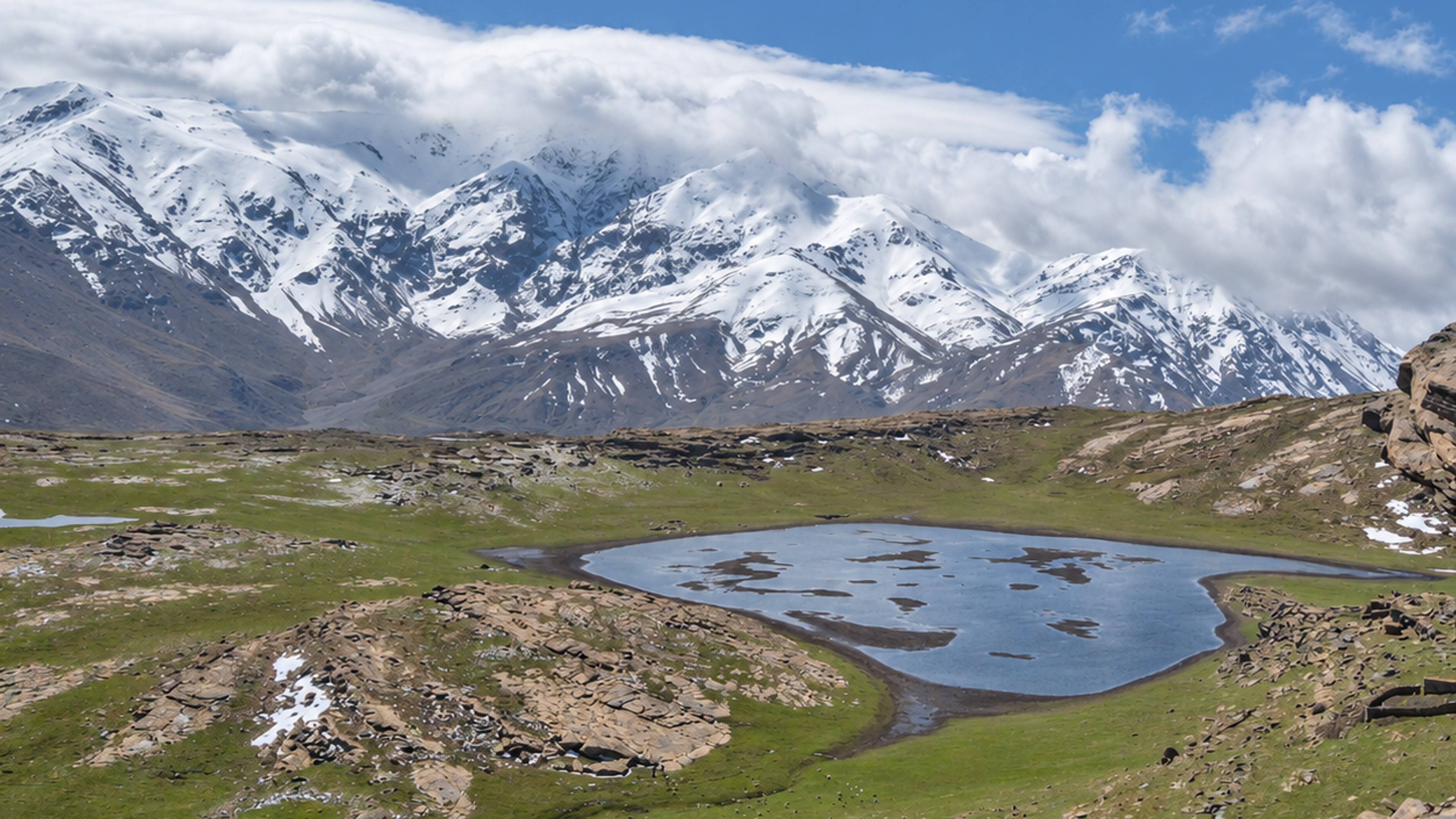
Agdal Yagour is a high summer pasture on the Yagour plateau in Morocco’s High Atlas, south of Marrakech and above the Zat and Ourika valleys. For generations, local Amazigh communities have managed it under the agdal, a customary system that closes the pasture each spring so the grass can recover, then opens it to their herds in summer. The plateau is also one of the region’s great rock-art sites, with around 2,000 prehistoric engravings of cattle, hunters, weapons and sun-like discs. It is remote, reached on foot over several days, and best visited with a local guide.
01What is an agdal?
An agdal (أكدال, often written agdal or agoudal) is a traditional Amazigh system for managing shared land. A community agrees to close a resource for part of the year, most often a mountain pasture, so that it can rest and regenerate, and then opens it on a date it decides together. It is one of the oldest tools in Morocco against overgrazing.
- Who decides: the customary council of the community, the jmaa, sometimes called the council of elders. Many communities choose a pasture keeper each year to watch over the closed land.
- The rules: grazing inside the agdal during the closure is forbidden, and breaking the ban has traditionally carried penalties set by the community.
- Many kinds: besides pastoral agdals in the High Atlas, there are forest and agricultural agdals, and in the Souss the same idea protects argan trees until the fruit is ripe.
Yagour and the Tichka plateau are among the best-known pastoral agdals of the High Atlas.
02Where is the Yagour plateau?
Yagour is a high plateau in Al Haouz province, roughly between 2,300 and 2,700 m, about 50 km south of Marrakech as the crow flies. It sits above the Zat Valley and the Ourika Valley: the Zat sheikhdom of Tighdouine commune on one side, the Ourika and Setti Fatma side on the other. Rights to its pastures are held by Amazigh groups of the Mesioua tribe, Tachelhit-speaking communities from the surrounding valleys. Above it rises Meltsene, a peak of almost 3,600 m that local people consider sacred.
If you are visiting the valleys below on a day trip, see our Zat Valley guide.
03How does the agdal work on Yagour?
On Yagour, the pastures are closed from around the end of March until the beginning of summer, once most plants have set seed. When the agdal opens, families move their sheep, goats and cattle up to the plateau and stay in azibs, simple stone shelters and enclosures used through the summer grazing season. The plateau can provide up to a fifth of the year’s fodder for the herds, which is why its rules matter so much.
The opening date was traditionally set by the communities themselves. Today it increasingly involves negotiation with the authorities. The plateau is also a sacred landscape: there are saints’ graves with small protected enclosures around them, and herders tell stories of spirits and a rider in white who punishes thieves.
04The Yagour rock engravings
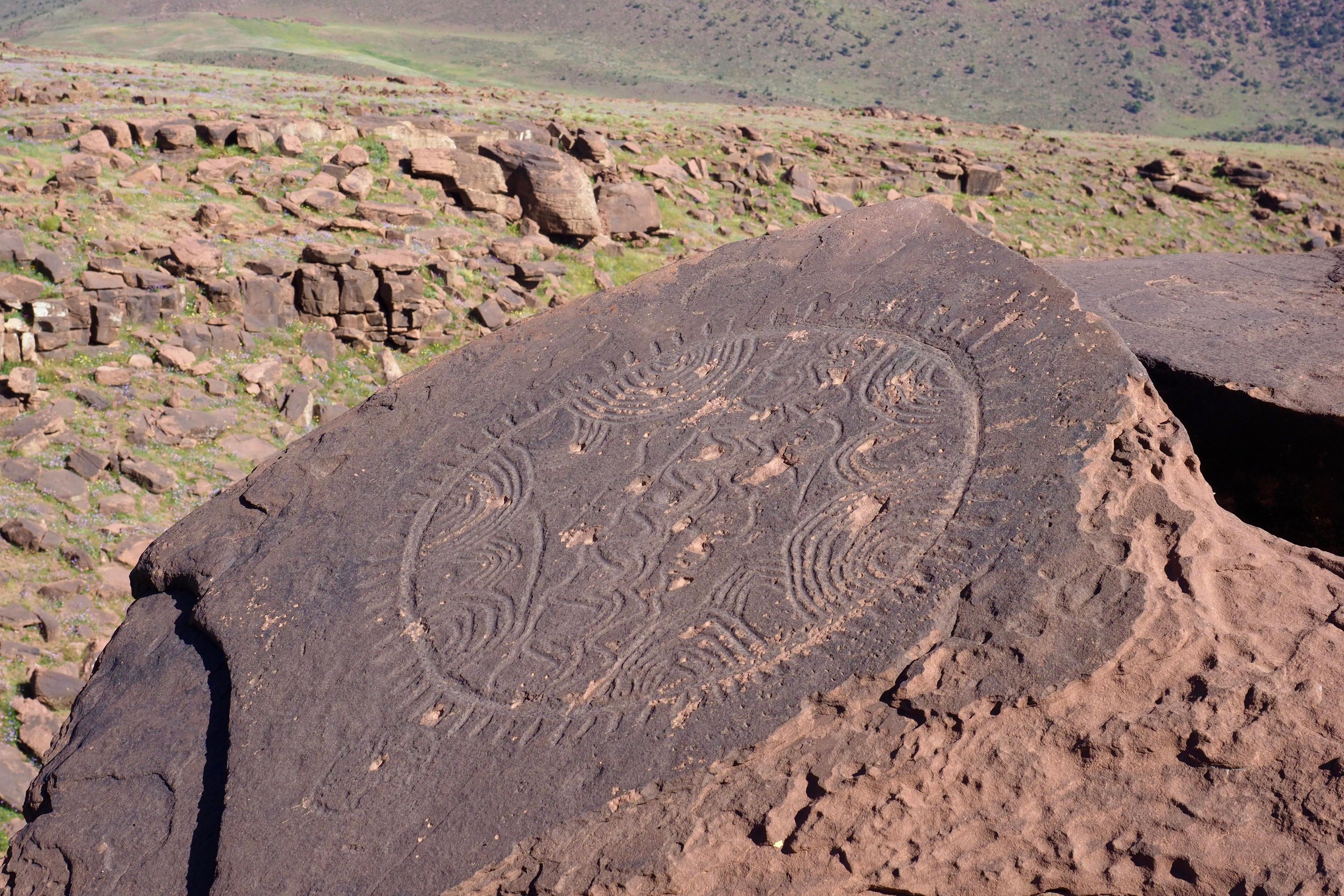
Yagour is best known outside Morocco for its rock art. Across the plateau, images are pecked into the stone: cattle and other animals, hunting scenes, people, daggers, spears and other weapons, and circular designs that are read as suns or shields. Researchers have also described elephants and rhinoceros, animals long gone from the region. The best-known image is the so-called sun panel.
| What sources say | |
|---|---|
| Number of engravings | Around 2,000 in the main counts; some sources say more than a thousand |
| Area | The archaeological site covers about 4,000 hectares of the plateau |
| Age | Debated. Most estimates place them in the Bronze Age, roughly 4,000 to 2,500 years ago; some local researchers argue for far older dates |
| Main subjects | Cattle and other animals, hunters, weapons, sun-like discs |
| Status | In 2019 the regional heritage directorate said the site had been registered as national heritage, with a local guard appointed |
The engravings are fragile and exposed. Moroccan researchers have warned of theft for smuggling, looting by treasure hunters and accidental damage from new enclosures and uninformed visitors. In 2012 there were reports that the sun panel had been vandalised; they were disputed at the time.
05How do you visit Agdal Yagour?
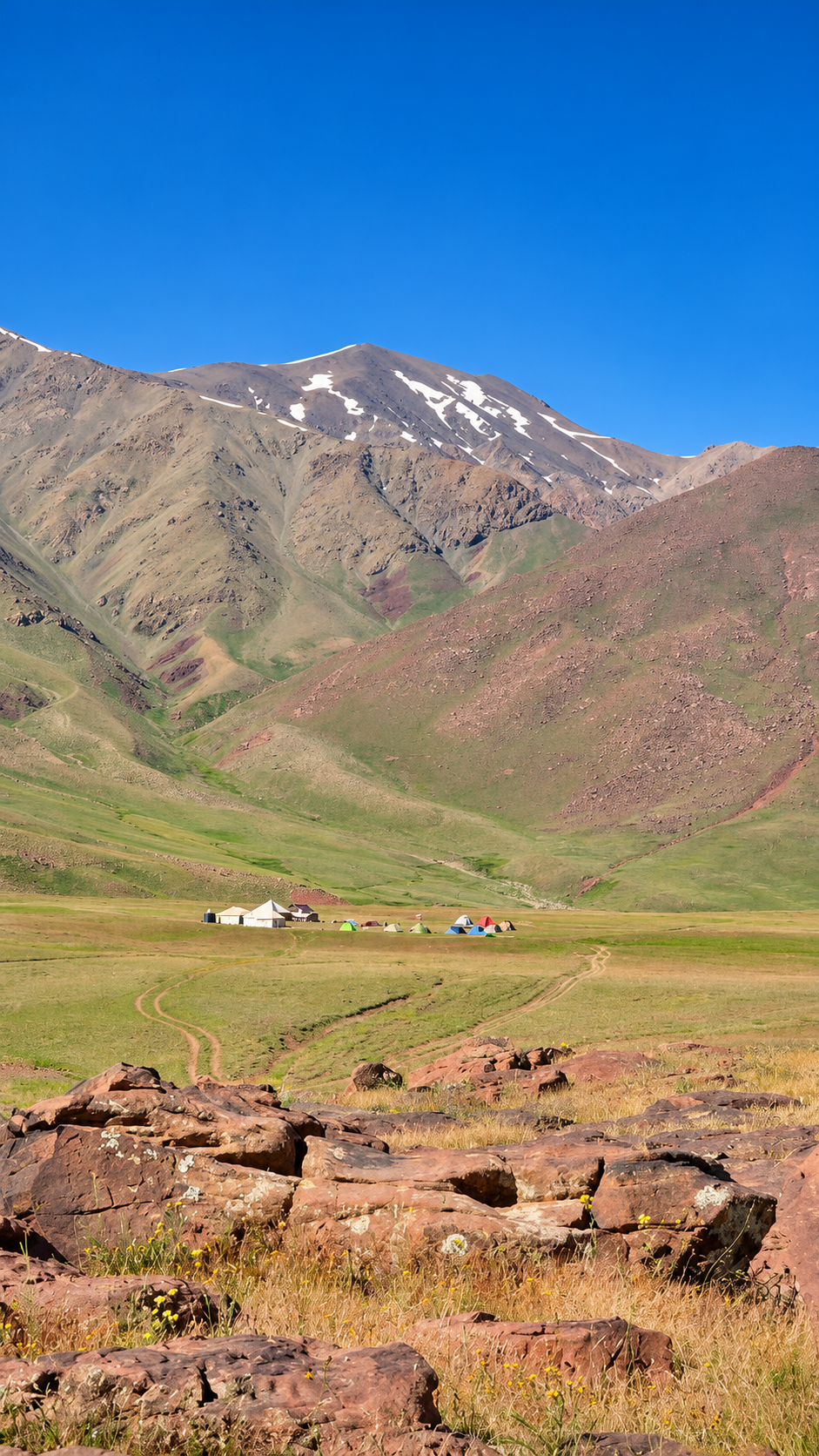
There is no quick way up. The plateau is reached by rough mountain tracks and paths from the surrounding valleys, and most visitors come on a multi-day trek with a local guide and mules, sleeping in villages or camping. Guided treks often cross the plateau between the Zat and Ourika sides. Snow can lie on the high ground in winter, so late spring to autumn is the usual season, keeping in mind that the pasture is closed to grazing in spring.
Our guide to trekking in the Atlas Mountains explains how guided treks, mules and gîtes work. If you would like a private trek that includes the plateau, send us an enquiry with your dates and fitness level and we will tell you honestly what is possible.
06How to visit responsibly
- Never touch, chalk, wet or scratch the engravings to make them show up in photos. Photograph them as they are.
- Do not walk on engraved rock surfaces, and never take stones or fragments away.
- Respect the agdal. When the pasture is closed, do not camp or let pack animals graze inside it, and follow your guide’s lead.
- Ask before photographing herders, families or their azibs.
- Go with a local guide. It brings income to the communities who protect the plateau, and they know where you can and cannot go.
07Seeing the region on a day trip
If you only have a day, you can still see the valley below the plateau. Our private Zat Valley Discovery day trip from Marrakech visits Tighdouine village (and its souk on Wednesdays), a local pottery workshop when an artisan is available, the Sidi El Wafi springs where access permits and an easy guided walk, with a traditional lunch. For more time in the mountains, see our Atlas Mountains tours.
Quick answers
Agdal is an Amazigh word for land under a customary seasonal ban. A community closes a pasture, forest or other resource for part of the year so it can recover, then opens it on a date its council agrees. It is a traditional way of preventing overgrazing.
Yagour is a high plateau of about 2,300–2,700 m in the High Atlas, in Al Haouz province south of Marrakech, between the Zat Valley (Tighdouine) and the Ourika Valley (Setti Fatma).
Their age is debated. Most estimates place them in the Bronze Age, roughly 4,000 to 2,500 years ago, while some researchers argue for older dates. They show cattle, hunting scenes, weapons and sun-like discs.
Sources usually cite around 2,000 engravings spread over about 4,000 hectares of the plateau, although counts vary between studies.
Not easily. The plateau is remote and is usually reached on a multi-day trek with a local guide. On a day trip you can visit the Zat Valley below it, including Tighdouine and the Sidi El Wafi springs.
The pastures are traditionally closed from around the end of March until the beginning of summer, once the plants have set seed, and then opened to the herds for the summer grazing season.
Want this trip planned for you?
Tell us your dates and what you like. We send back a route and a price.
Get a free quoteBrowse tours →