Packing for Morocco means planning for two different trips in one: modest city and mosque etiquette in the medinas, and proper gear for desert nights or mountain trails. Skip the generic "what to wear in Africa" lists — here's what you actually need, organised by what you're doing each day, not by clothing category.
City & Medina Sightseeing (Marrakech, Fes, Casablanca)
- Lightweight, breathable layers — loose fits handle the heat better than anything tight
- Shoulders and knees covered for mosques and conservative neighbourhoods
- Comfortable closed shoes with grip — medina cobblestones are uneven and can be slick near the tanneries
- A scarf or shawl — doubles as sun cover and a modesty layer at religious sites
- A small zipped crossbody bag for the souks, where pickpocketing is the main practical risk
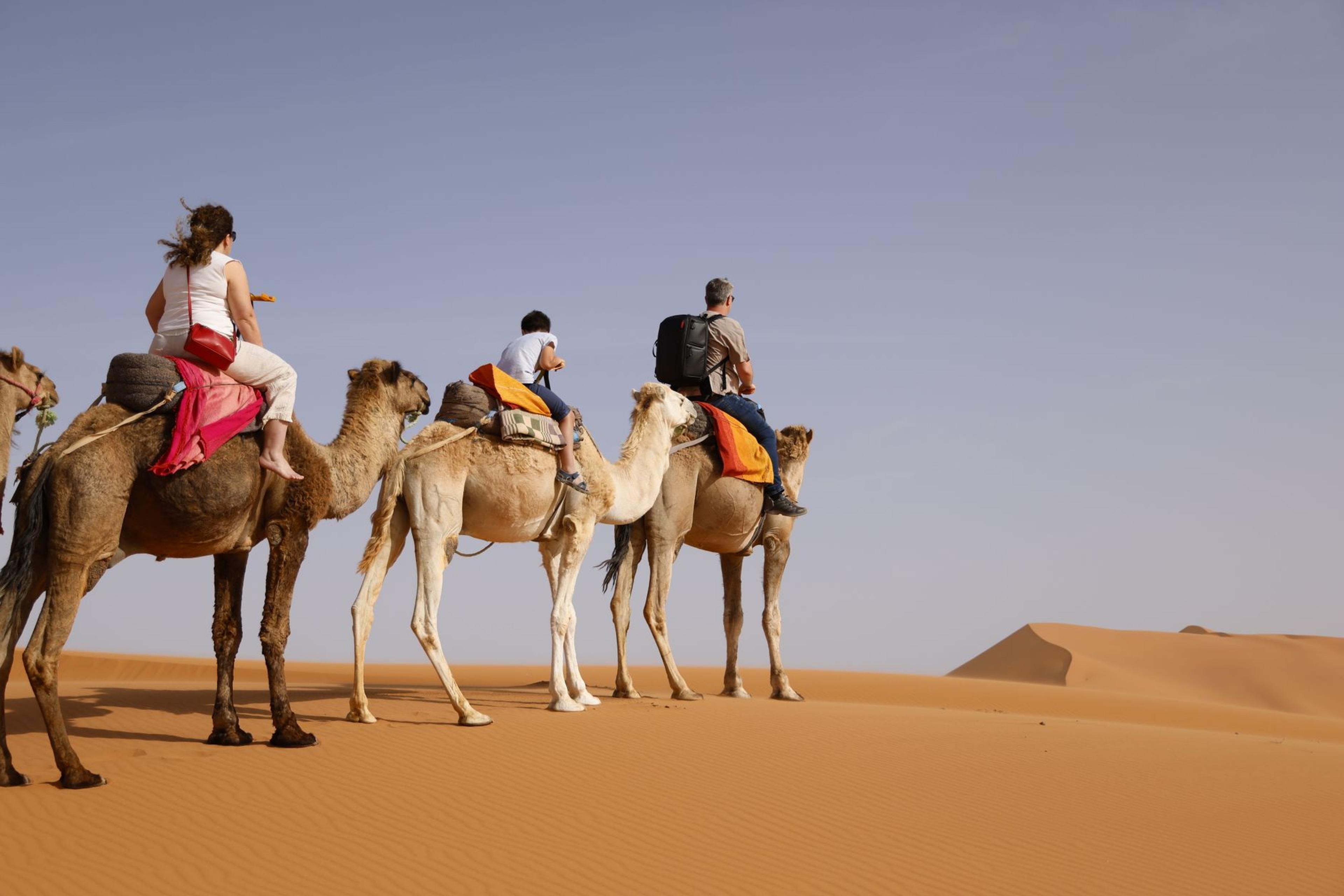
Sahara Desert (Merzouga, Camel Trek & Bivouac)
- A headtorch — camps go properly dark once the generator switches off after dinner
- A silk sleeping bag liner — extra warmth and hygiene layer over shared camp bedding
- A warm layer for the night — desert temperatures drop to 4–10°C even when the day hit 30°C+
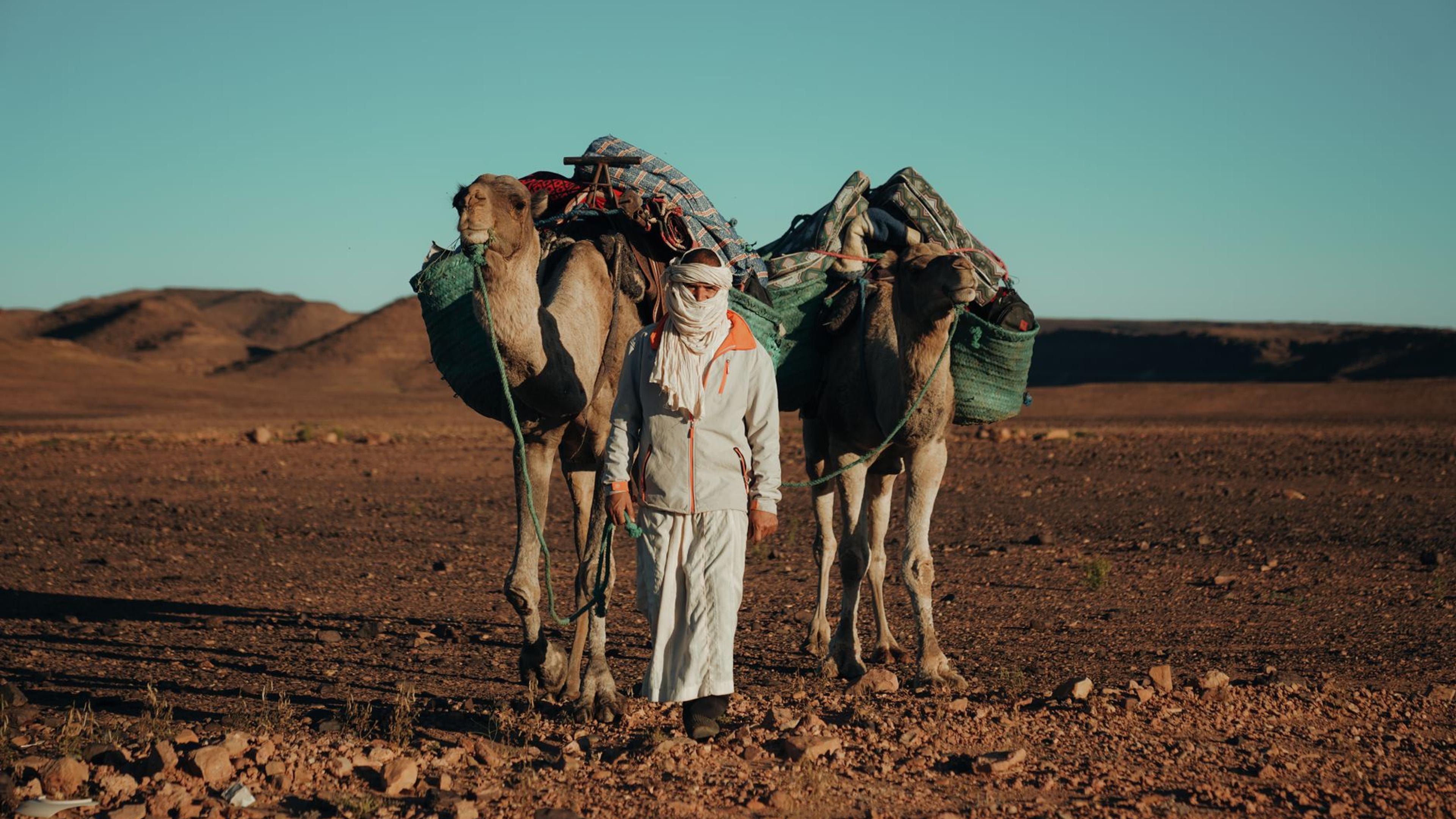
- A buff or scarf for sand and wind during the dune climb
- Flip-flops for camp, closed shoes for the sand walk itself
The desert deserves more detail than a checklist — our full what to wear on a desert tour guide covers the day/night swing, the cheche scarf trick, and the overnight-bag system we use on every 3-day Merzouga departure.
Atlas Mountains & Trekking
Proper, broken-in walking shoes matter more here than anywhere else on a Morocco itinerary. Bring a warm layer year-round — mountain nights stay cool even in summer — plus a sun hat and high-SPF sunscreen, since UV is stronger at altitude than the temperature suggests. A reusable water bottle covers most villages; pack purification tablets as backup rather than relying on bottled water alone. A light waterproof layer earns its space October through April.
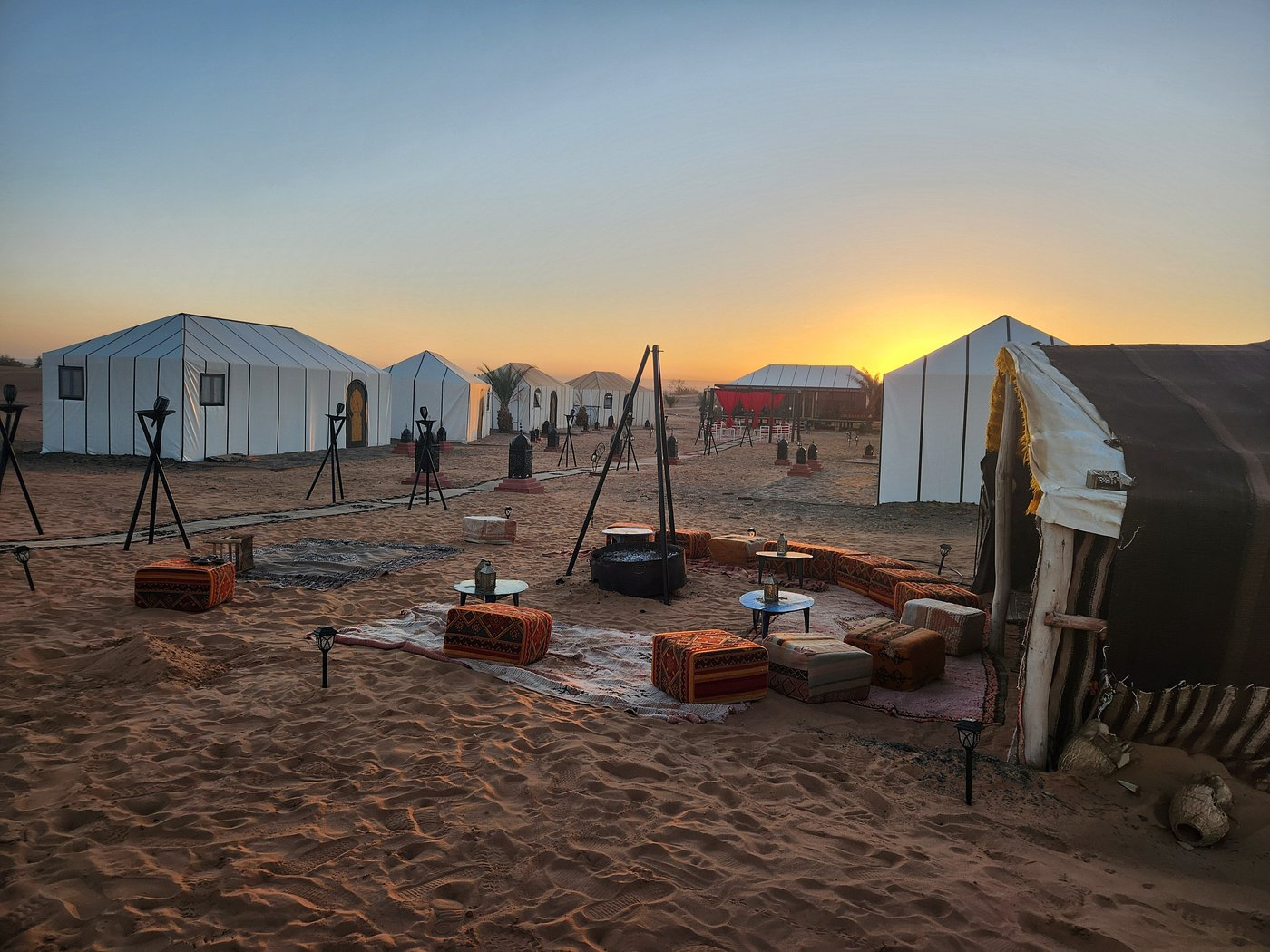
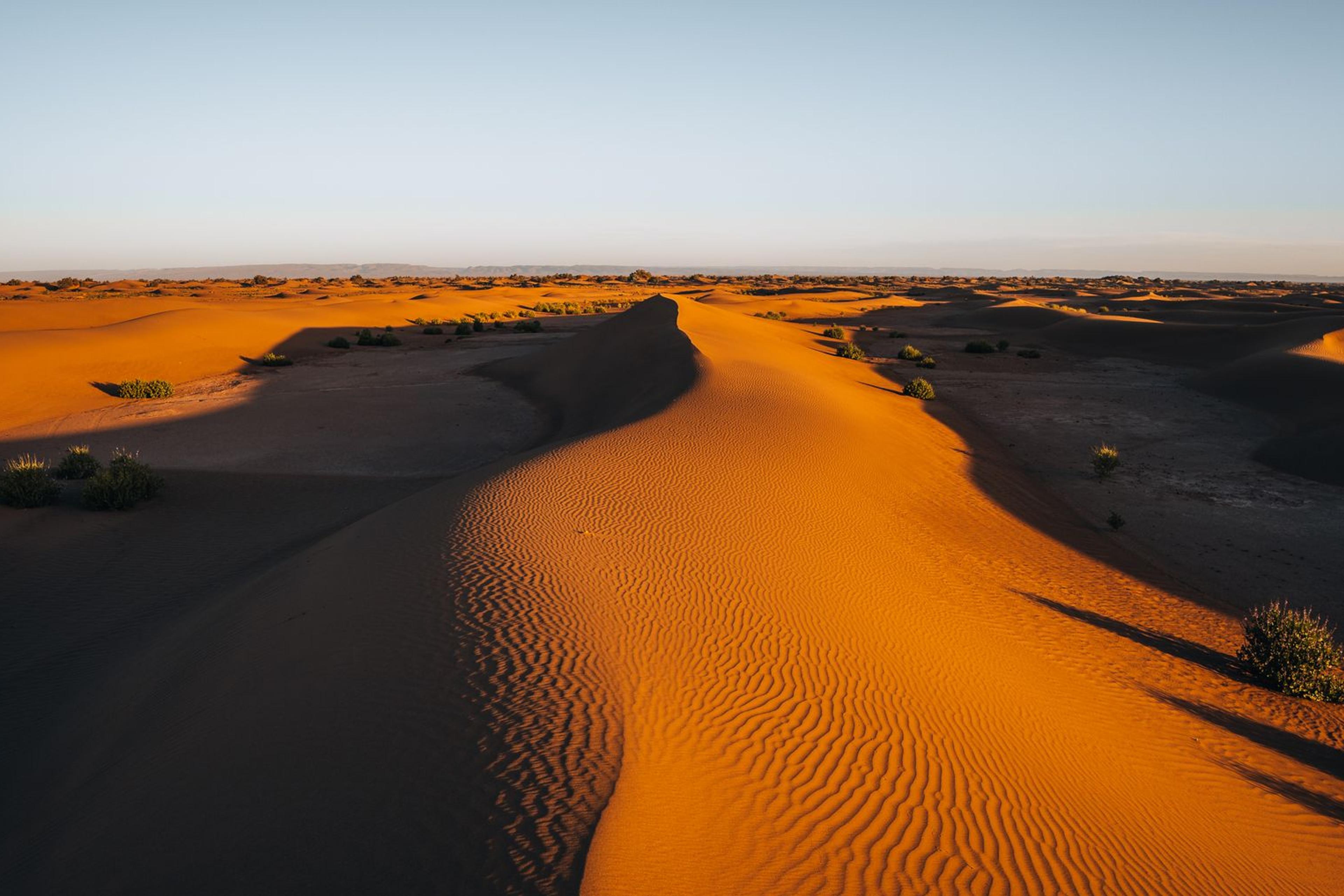
A desert camp in the Sahara
If your route includes real trekking — like the 4-day Atlas Mountains trek — we send a dedicated gear list after booking; the essentials above cover day hikes and village walks.
Coastal Towns (Essaouira, Chefchaouen Day Trips)
- A wind-resistant layer — Essaouira is genuinely windy year-round, not just in winter
- Swimwear — fine at resorts and private pools, less appropriate on medina-adjacent public streets
- Comfortable sandals for the harbour and coastal walks
What NOT to Bring
- Overly revealing swimwear or short shorts for medina walking — draws unwanted attention and isn't practical in conservative areas
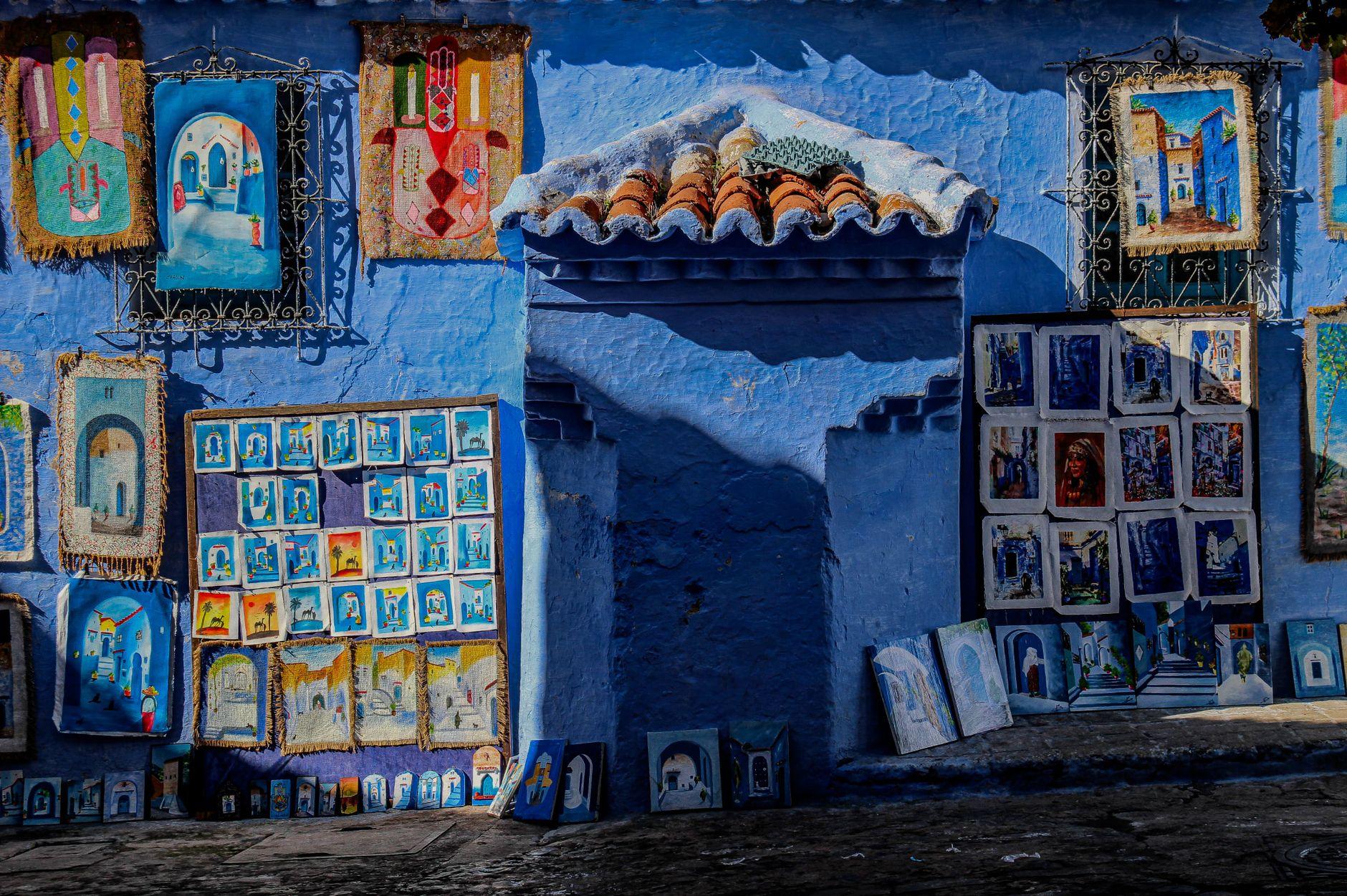
Chefchaouen, Morocco
- Expensive jewellery or too many valuables — crowded souks and squares are the main pickpocket risk
- A rigid, hard-sided suitcase — a duffel or soft-sided bag is easier for a riad porter to carry up narrow medina stairs
- A heavy hardcover guidebook — offline maps plus your guide's knowledge cover it better and lighter
Insider Items Most Packing Lists Miss
- Wet wipes — desert roads and camel treks are dustier than expected
- Earplugs — riads can be noisy with the call to prayer and street sounds carrying through open courtyards
- A portable charger — long driving days and limited outlets at some desert camps
- A universal power adapter (Morocco uses Type C/E plugs, 230V)
If you're travelling solo, our solo female travel guide covers what to wear in more depth, city by city. Not sure what your specific route needs? Get in touch and we'll send a packing note tailored to your exact itinerary.
Planning a Morocco tour? Browse our tours
See all tours →Quick answers
Shorts are fine at resorts, pools, and the beach, but knee-length or longer is more appropriate in medinas and at religious sites out of cultural respect. Above-the-knee shorts will draw more attention than they're worth in conservative neighbourhoods.
Loose, breathable layers covering shoulders and knees in medinas and religious sites. Riad pools and Marrakech's Gueliz district are more relaxed — normal Western clothing and swimwear are fine there.
Yes — desert nights drop to 4–10°C even when the day reached 30°C+. Pack a proper warm layer for the bivouac camp regardless of what season you're travelling in.
Yes — Morocco uses Type C and Type E plugs at 230V, the same standard as most of continental Europe. UK, US, and Australian travellers will need an adapter; EU travellers generally won't.
Both. Cards work at hotels, larger restaurants, and ATMs in cities, but souks, small cafes, and rural areas are cash-only. Carry $200–$300 equivalent in dirhams and top up from ATMs as needed.
Comfortable, closed, low-heeled shoes with good grip — medina cobblestones are uneven, occasionally slick near the tanneries, and involve far more walking than a typical city break.