
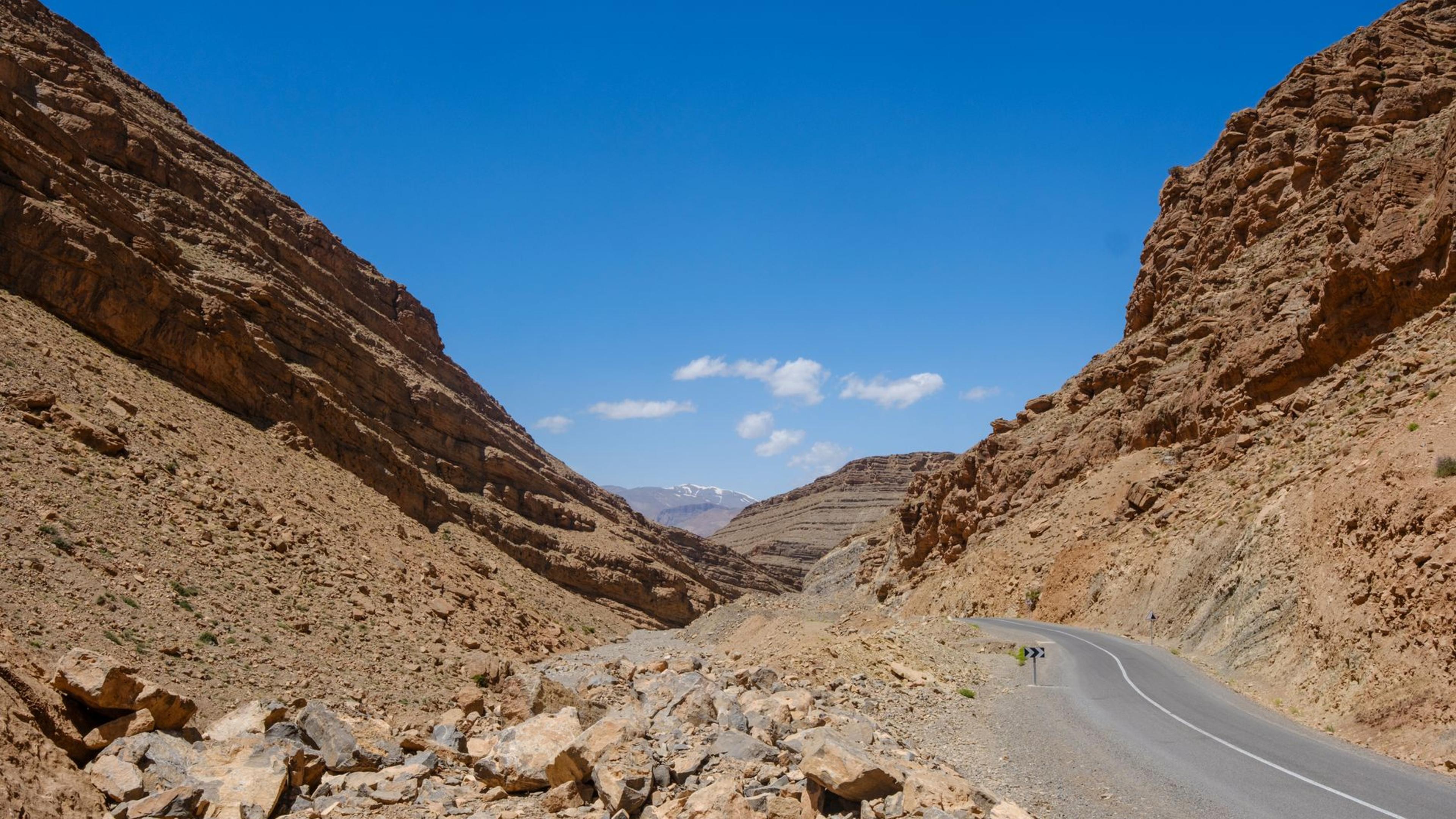
Driving in Morocco is perfectly possible for confident drivers, but it is different from driving at home. Traffic drives on the right. Motorways between the main cities are modern and tolled, with a 120 km/h limit. National roads are usually good but slower, shared with trucks, donkey carts and pedestrians. Mountain roads such as the Tizi n’Tichka pass need patience. Police speed checks are frequent and fines are paid on the spot. And driving in the big cities, Marrakech and Casablanca especially, is the most stressful part of all.
This guide covers what to expect so you can decide whether to drive yourself or hire a driver.
01The roads
Motorways (autoroutes)
Toll motorways link Tangier, Rabat, Casablanca, Fes, Meknes, Marrakech and Agadir. They are well surfaced and relatively quiet, with service areas along the way. Tolls are paid at booths along the way, so keep some dirhams handy.
National and regional roads
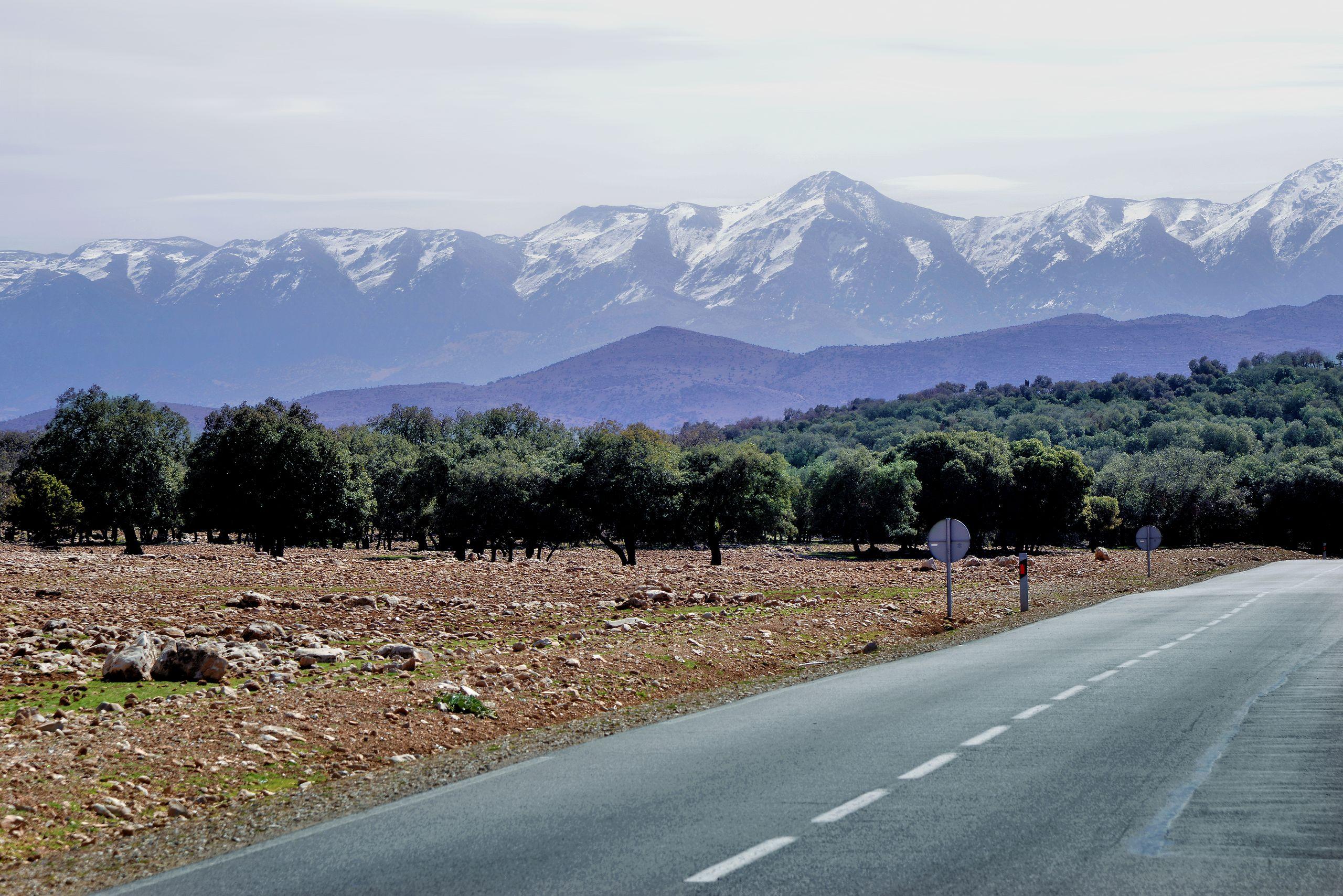
Away from the motorways, most roads are single lane in each direction. Expect slow trucks, overtaking on blind bends by other drivers, cyclists, animals and people walking along the road, especially near villages. Speed limits drop sharply at town entrances.
Mountain passes
The road from Marrakech to Ouarzazate crosses the High Atlas over the Tizi n’Tichka pass at about 2,260 m. It is a good road with long sections of hairpins, frequent trucks and occasional winter snow. Allow about 4 hours from Marrakech to Ouarzazate. The roads through the Dades and Todra gorges and the Middle Atlas are slower again.
02Speed limits and police checks
| Road type | Limit |
|---|---|
| Motorway | 120 km/h |
| Roads outside towns | 100 km/h |
| In towns and villages | 60 km/h, often lower |
Police checkpoints and mobile radar checks are common on national roads, particularly at the entrance to towns. Foreign drivers are usually waved through at checkpoints, but speeding fines are issued on the spot and paid in cash. Stick to the limits and slow down well before every town sign. Seat belts are compulsory, and you should never drink and drive.
03Driving in the cities
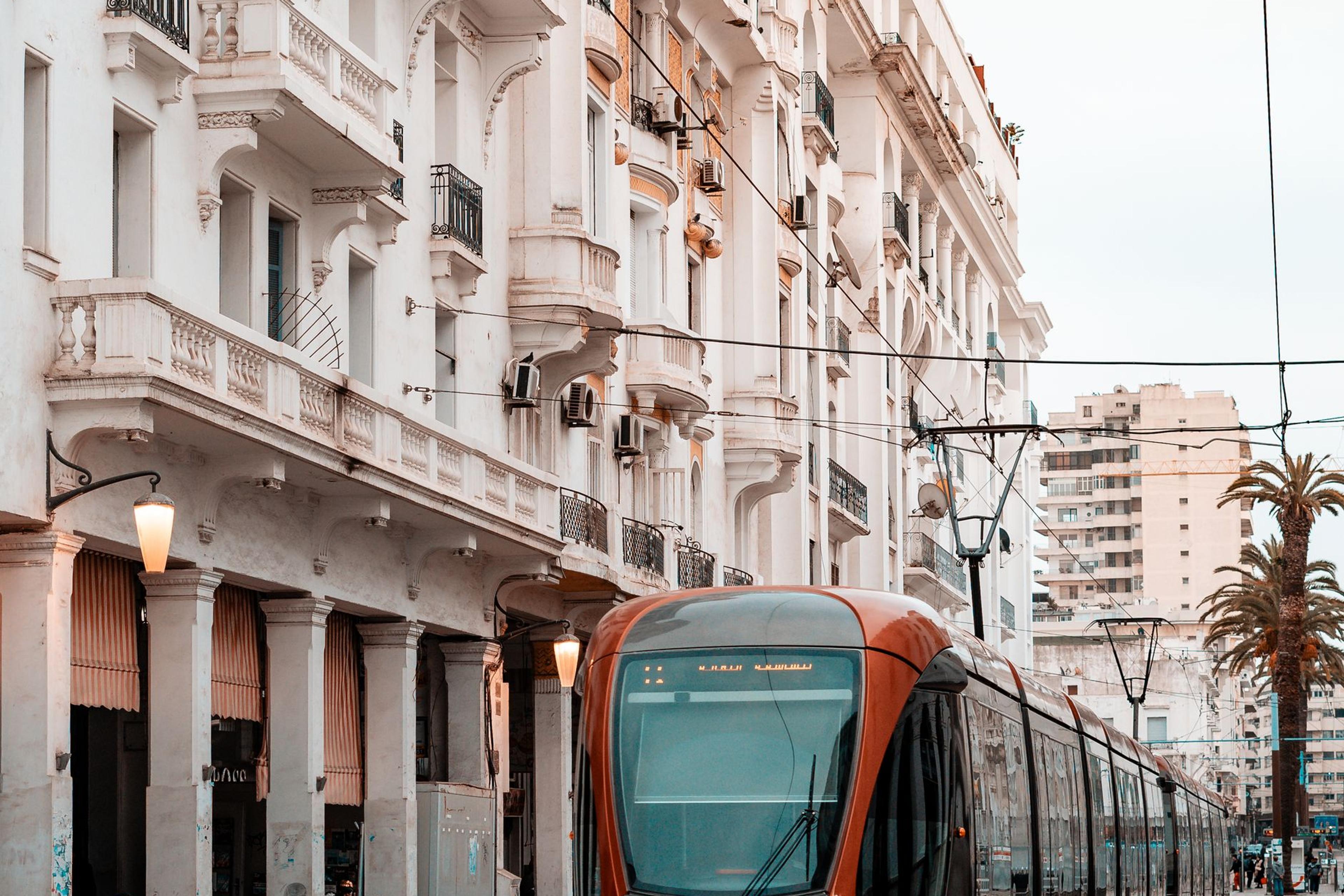
City driving is where most visitors find Morocco hardest. Roundabouts are busy and priorities are not always obvious, scooters weave between cars, and pedestrians cross anywhere. In Marrakech and Fes, the medinas are closed to cars, so you will need to find a guarded car park outside the walls and walk in. Parking attendants in high-visibility vests are normal; a small payment is expected.
04Night driving and the desert
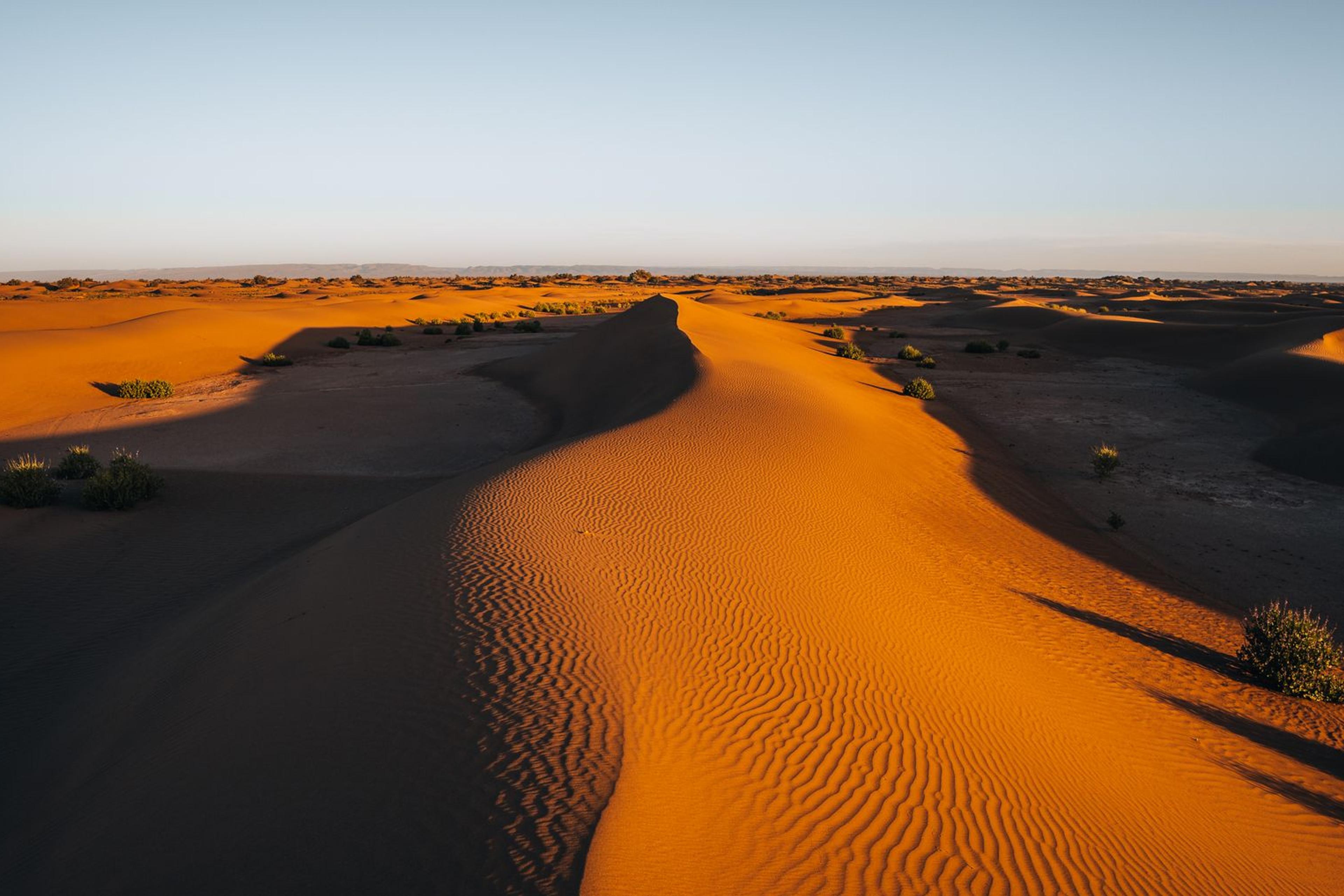
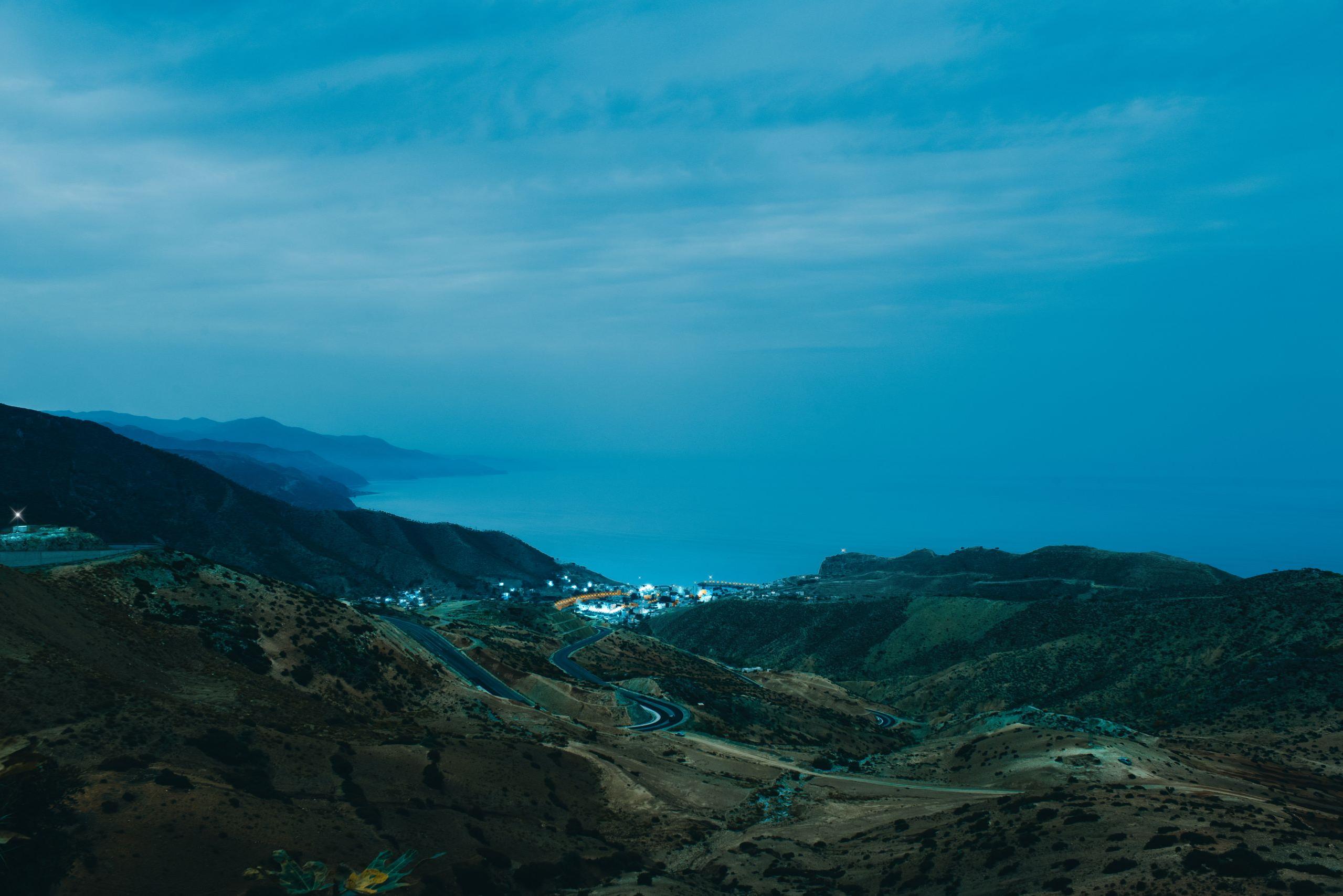
Avoid driving at night outside the cities where you can. Unlit vehicles, animals and pedestrians are hard to see. In the south, sand can drift across roads near the dunes, and some desert pistes need a 4x4 and local knowledge. If you are going to Merzouga or Zagora, plan to arrive before dark.
05Documents to carry
- Your driving licence and passport, always in the car.
- An international driving permit. Rules and rental policies vary, and many visitors use their home licence, but a permit is cheap and helpful at checkpoints, especially if your licence is not in Latin script.
- The rental contract and vehicle papers, which stay in the car.
06Renting a car
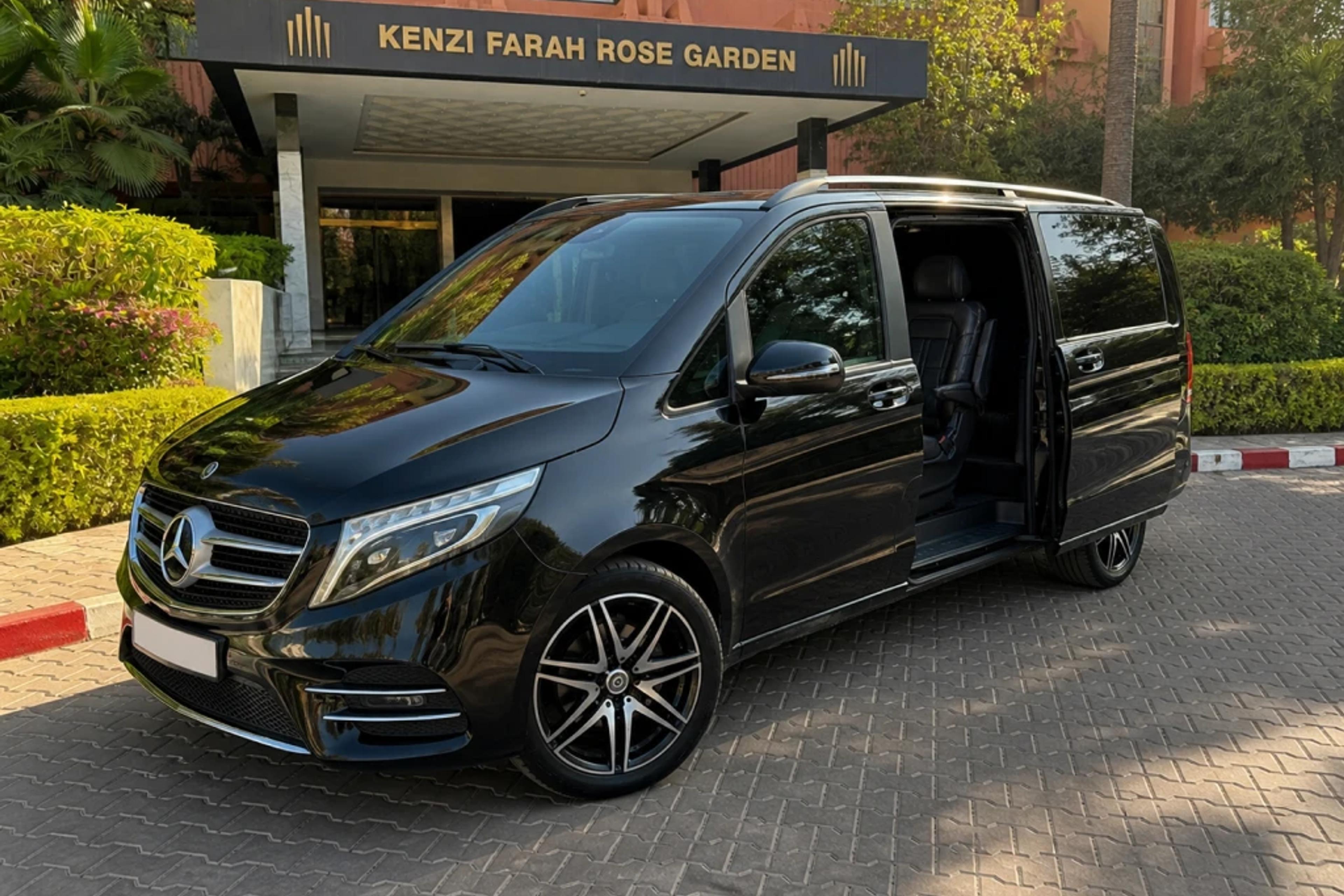
Economy cars are cheap to rent, but check the full cost: fuel, tolls, parking, insurance excess, and a deposit held on your credit card, commonly around 10,000 MAD for small cars. Inspect the car and photograph any damage before you leave. Compare the total with a driver in private driver vs renting a car.
07Should you drive yourself?
If you are a confident driver, comfortable with busy traffic and happy to keep strictly to speed limits, a road trip through southern Morocco can be wonderful. If you’d rather watch the Atlas than steer through it, or you are travelling with family and luggage, a private driver takes the stress out, and the cost is shared per vehicle. See what a private driver costs and our guide to getting around Morocco for the alternatives. Wondering about safety more generally? Read is Morocco safe.
- Private Driver HireJust a car and driver: airport transfers, day hire or your own multi-day route.Browse tours →
- Private ToursYour dates, your pace, your own driver and vehicle — no shared group.Browse tours →
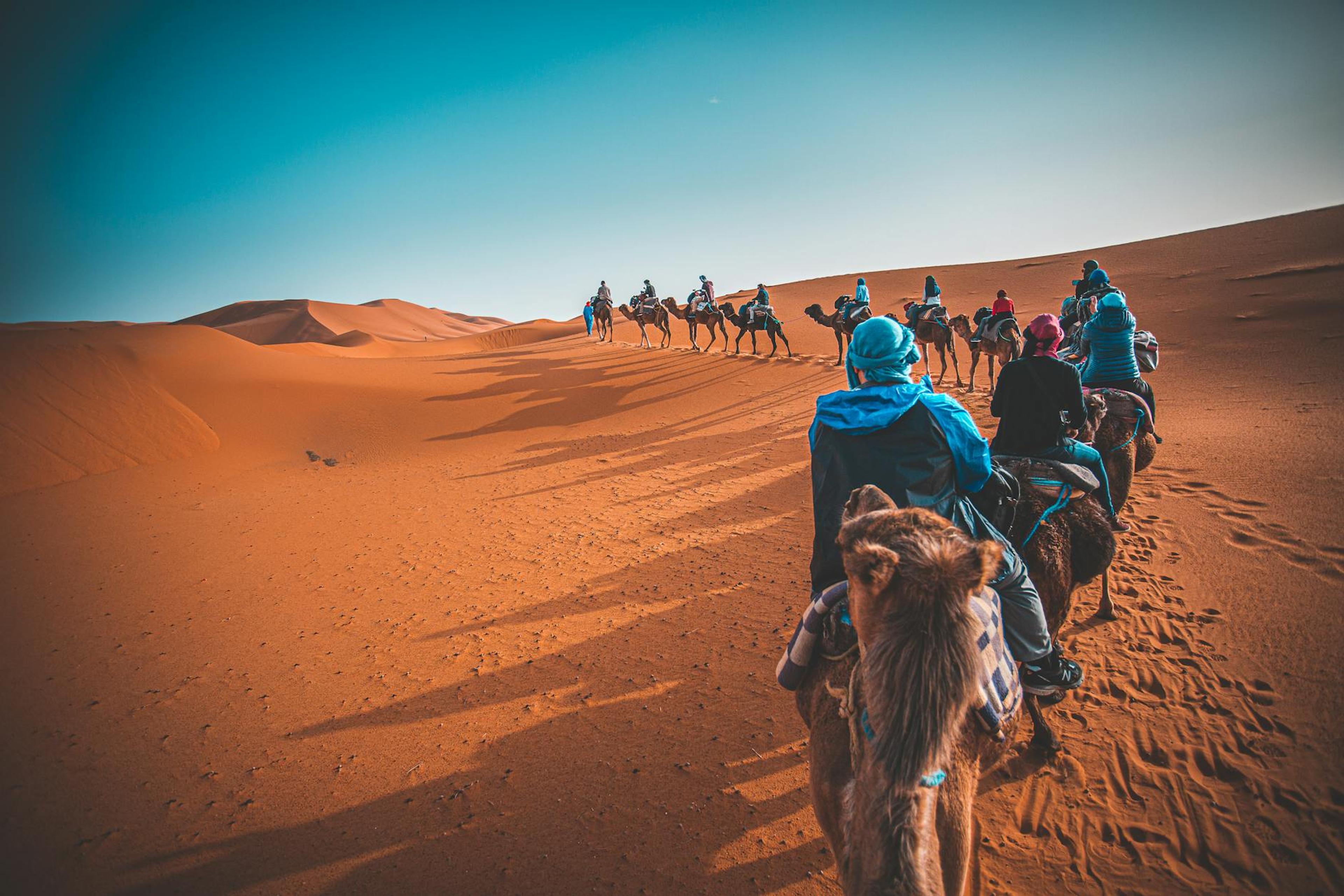
- Sahara Desert ToursCamel treks, dune camps and starlit nights in Merzouga, Zagora or Erg Chigaga.Browse tours →
Quick answers
For confident, careful drivers, yes. Motorways are good, but national roads are shared with trucks, animals and pedestrians, mountain passes are slow, and city traffic is chaotic. Avoid night driving outside cities.
On the right, as in mainland Europe and North America.
Generally 120 km/h on motorways, 100 km/h on roads outside towns and 60 km/h or less in towns, unless signs say otherwise.
Yes. Checkpoints and radar checks are common, especially at town entrances. Speeding fines are paid on the spot in cash.
Policies vary and many visitors drive on their home licence, but carrying an international driving permit is recommended, especially if your licence is not in Latin script.
Marrakech to Ouarzazate over the pass takes about 4 hours, with long stretches of hairpin bends at up to about 2,260 m.
Want this trip planned for you?
Tell us your dates and what you like. We send back a route and a price.
Get a free quoteBrowse tours →