This page collects every question travellers actually ask us before booking a Morocco tour — not the questions marketing pages pretend people ask. Each answer is the short, honest version; where a topic deserves a full guide, we link it. Questions are grouped by theme: choosing a tour, costs, the desert, safety and comfort, and booking logistics.
Choosing a Tour
The three decisions that shape everything: how long (how many days do you need in Morocco?), what format (private vs group tours), and when (best time to visit Morocco). Get those three right and the rest is detail. The FAQs below fill in that detail.
Costs and Money
The deep numbers live in the Morocco travel cost guide (and our cost calculator will price your exact trip), with tipping covered separately. The short versions are below.
The Desert
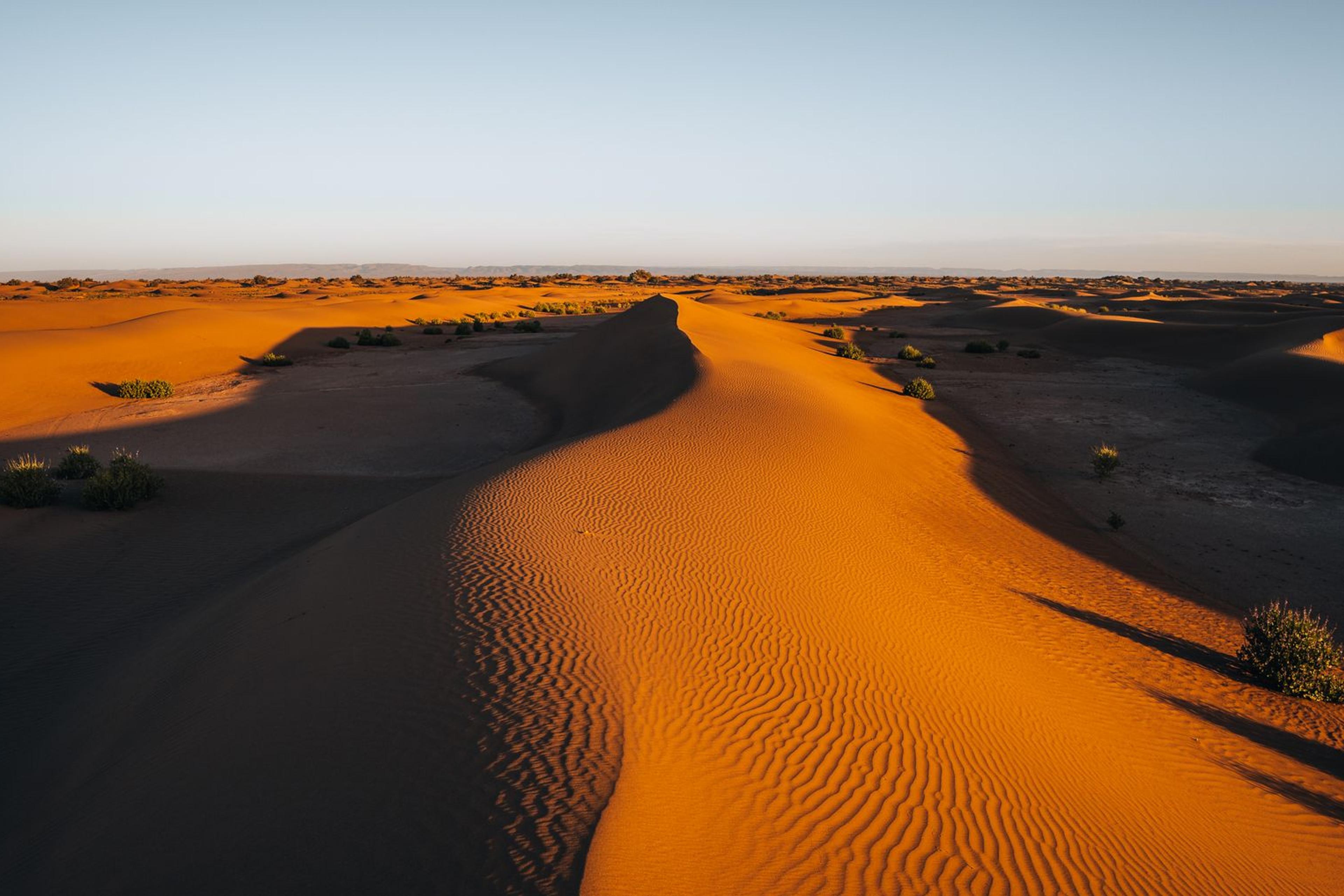
The most-asked topic by far. Start with Merzouga vs Zagora vs Erg Chigaga to pick your erg, the best time to visit the Sahara to pick your month, and what to wear on a desert tour to pack for it.
Safety and Comfort
Full treatments in Is Morocco Safe?, the solo female travel guide, and Morocco for seniors. Whether you need a guide at all gets its own honest answer.
Every Question, Answered
Everything below is drawn from real enquiry emails and questions guests ask on tour. Missing yours? Ask us directly — a real person answers, usually the same day, and good questions end up added to this page.
Planning a Morocco tour? Browse our tours
See all tours →Quick answers
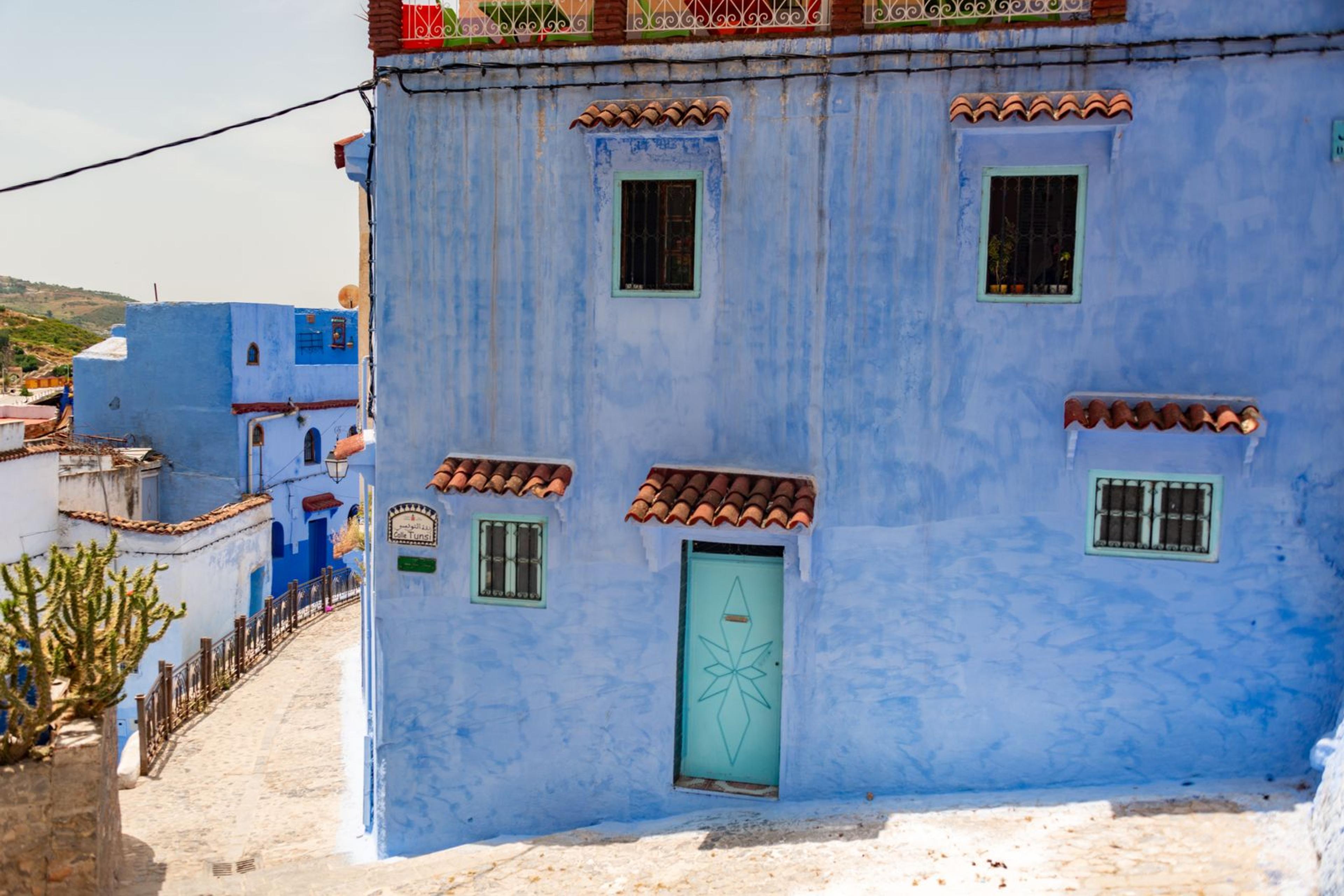
A 7-day Marrakech-to-Fes route through the Sahara is the classic first trip: both major cities, the Atlas, and a desert camp night with no repeated driving. With only 3–5 days, do Marrakech plus the desert; with 10+, add Chefchaouen or the coast.
Check four things: group size (over 12 means coach tourism), whether it's Morocco-based with local guides rather than a reseller, what's actually included in the price, and reviews from the last 12 months on independent platforms — not testimonials on the company's own site.
Small-group tours run $150–220 per person per day; private tours $200–280; luxury $280+. Packages include accommodation, transport, guide and most meals. Add flights, tips (~$8–15/day) and personal spending for the real total.
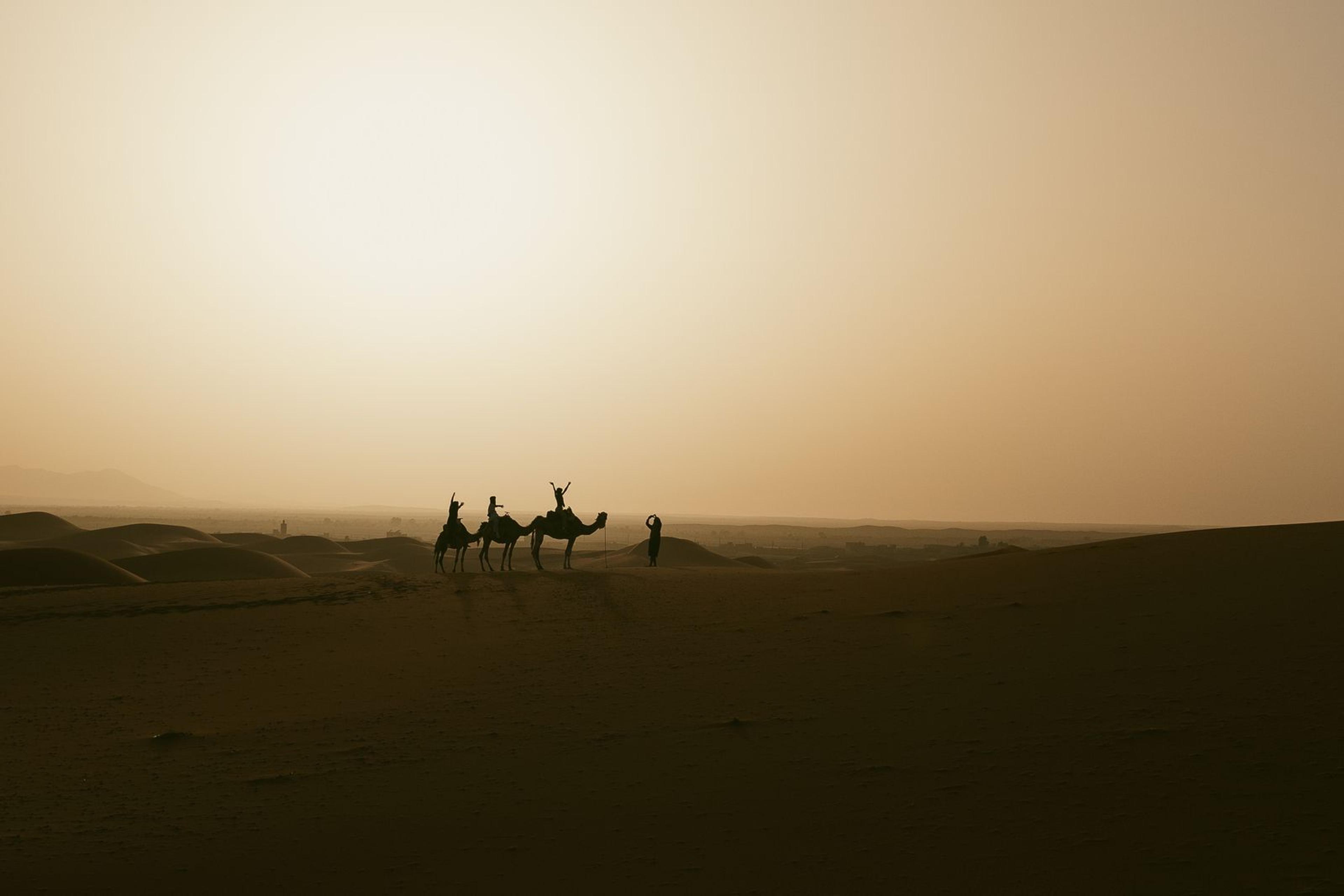
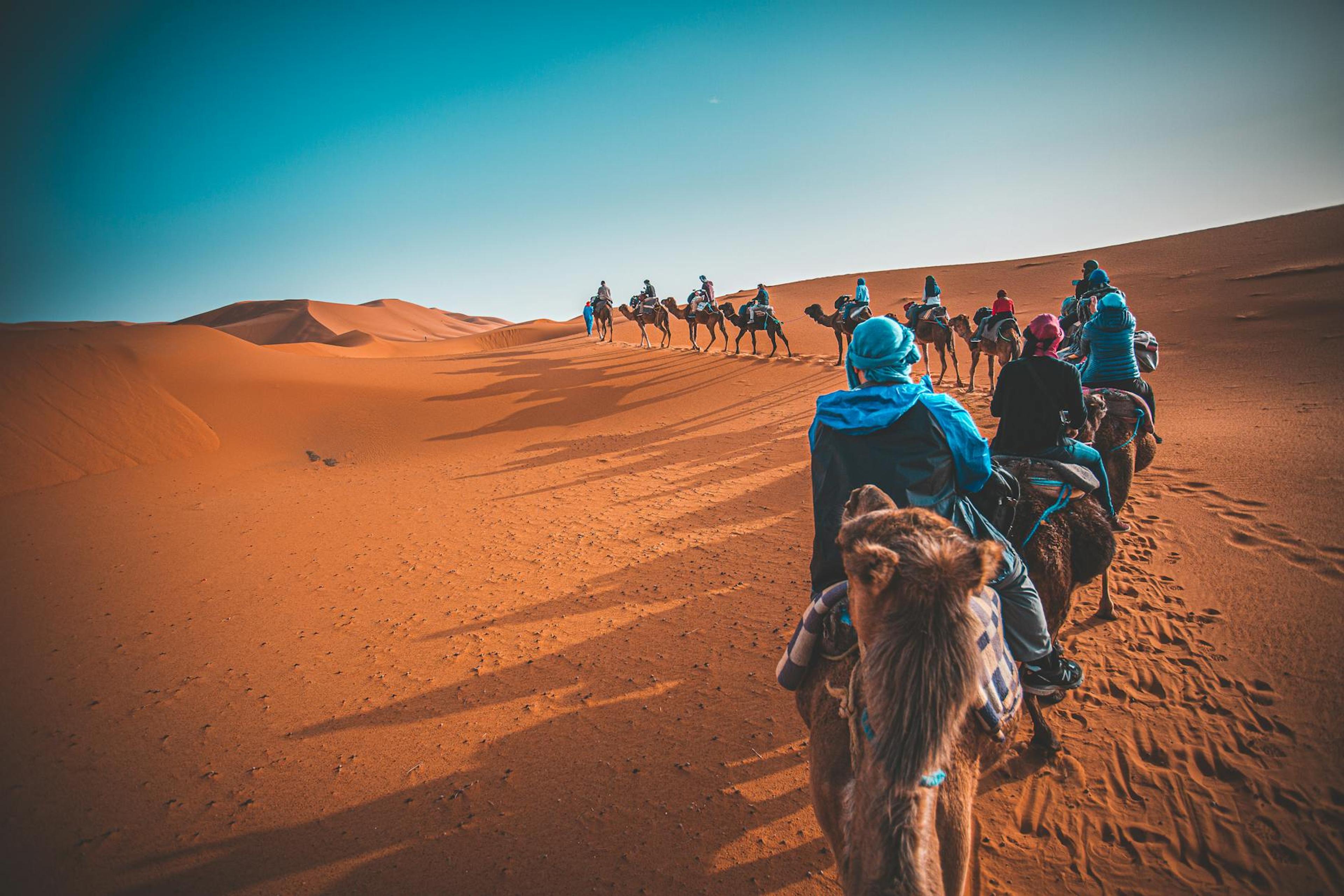
For most travellers the desert night is the single most-remembered part of the trip — sunset camel trek, dinner under the stars, dawn over the dunes. It's worth it if you can give it 3+ days from Marrakech; day-trip versions aren't the same experience.
3 days loops Marrakech–Merzouga–Marrakech and suits tight schedules. 4 days continues to Fes instead of driving back — the better itinerary if Fes is on your list anyway, since you cross the country without repeating a kilometre.
Loose, breathable layers; shoulders and knees covered in medinas as courtesy; comfortable closed shoes for cobblestones; a warm layer for desert and mountain nights year-round. Nothing specialised needed — see our packing list for the full checklist.
Yes — Morocco is one of the most stable, tourist-experienced countries in the region. The real risks are petty theft in crowded souks and persistent touts, both manageable with basic awareness. Road safety is the biggest genuine risk, which professional drivers remove.
On a private tour, yes — extra desert nights, detours, changed pacing are all normal; it's most of what private buys you. On group departures the route is fixed, though guides adjust timing within each day where they can.
Accommodation (riads and desert camp), private transport with driver, licensed guide, breakfasts and most dinners, and all listed activities. Never included: flights, lunches on travel days, drinks, tips, and travel insurance.
8–10 weeks for spring (March–May) and October departures, which genuinely sell out; 3–4 weeks is usually fine for other months. Desert-inclusive routes book earlier than city-only trips because good camps have fixed capacity.
Yes, from around age 5–6 — kids reliably rate the desert (camels, dunes, sleeping in a tent) as the best part. Private tours work far better than group departures with children: the schedule bends around naps, energy and attention spans.
Yes, normally — tourist restaurants and riads serve guests as usual, and desert camps run exactly as normal. Some local lunch stops adjust and evenings become livelier. See our Ramadan guide for what actually changes.
Most Western passports (US, UK, EU, Canada, Australia) enter visa-free for up to 90 days — you just need a passport valid for your stay. Check your specific nationality's requirements before travelling; rules can change.
All guides work in English and French alongside Arabic and Amazigh (Berber); several also work in Spanish or Italian. If you need a specific language, tell us when booking and we'll assign accordingly.
Riads all have WiFi; mobile coverage is strong along the entire classic route including most of the desert drive. The camp night is the one mostly-offline stretch — many guests call it the best feature. A local eSIM or SIM costs a few dollars at the airport.
Your guide and our office handle it — that's a real part of what a tour buys. Vehicle issues get a replacement sent, illness gets a pharmacy or clinic visit arranged, and every group travels with the office reachable by phone throughout.